The Complete Blood Stain Removal Guide
The Complete Blood Stain Removal Guide
Blood stains look permanent. They rarely are. Below are the four rules that govern every blood stain, plus our surface-by-surface guides — clothes, carpet, mattresses, upholstery, concrete — each with the method that actually works best.
- Cold water always. Hot water bonds blood protein to fabric the way heat cooks an egg white — permanently.
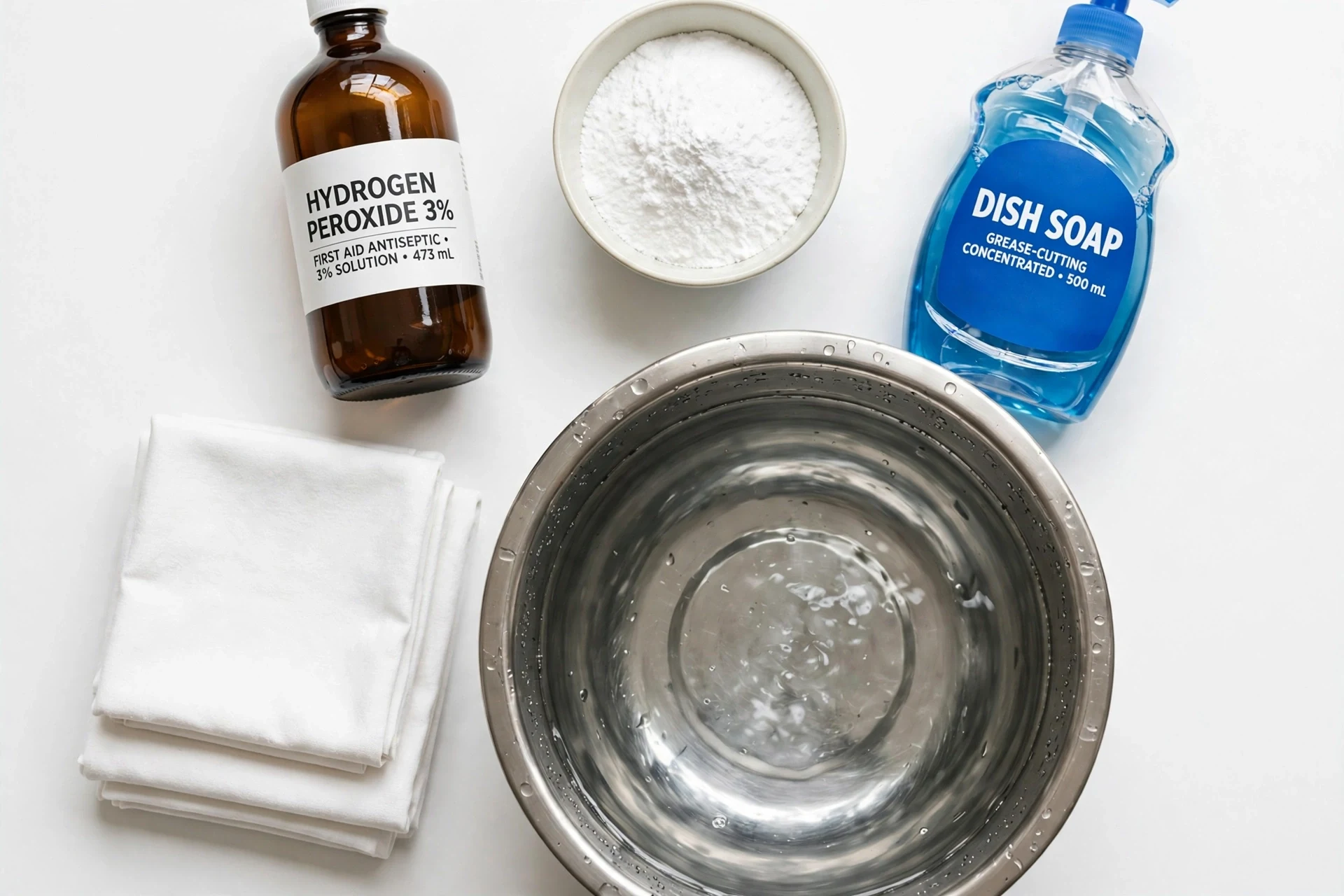
- Fresh stains: cold rinse + dish soap. Dried stains: rehydrate first, then 3% hydrogen peroxide or an enzymatic cleaner.
- Never use enzyme cleaners on wool or silk. The enzymes digest the fabric itself.
- If the blood isn’t yours, put on gloves — and know when a stain stops being a laundry problem (see the safety section).
Blood is a protein stain, and that single fact explains nearly everything about removing it. Proteins denature — permanently change shape and bond — when heated. Every method in every guide below is just a different way of breaking down or lifting those proteins before heat gets to them. Learn the four rules once and you’ll never need to memorize a recipe again.
The four rules behind every method
- Cold water, always.
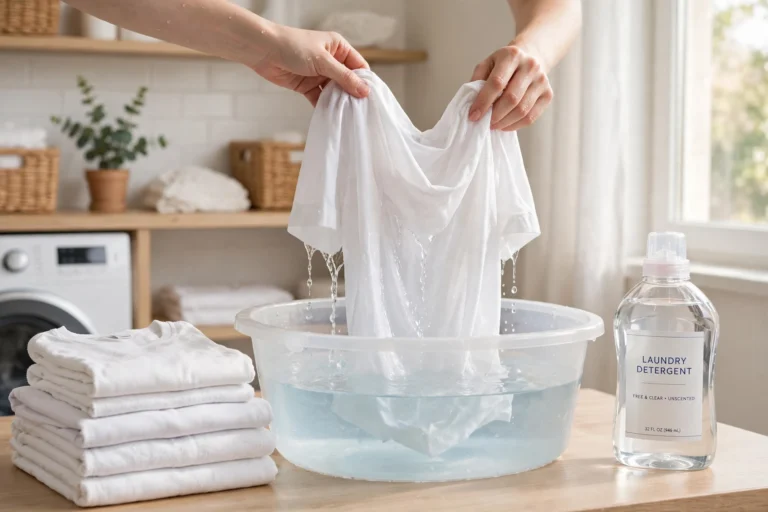
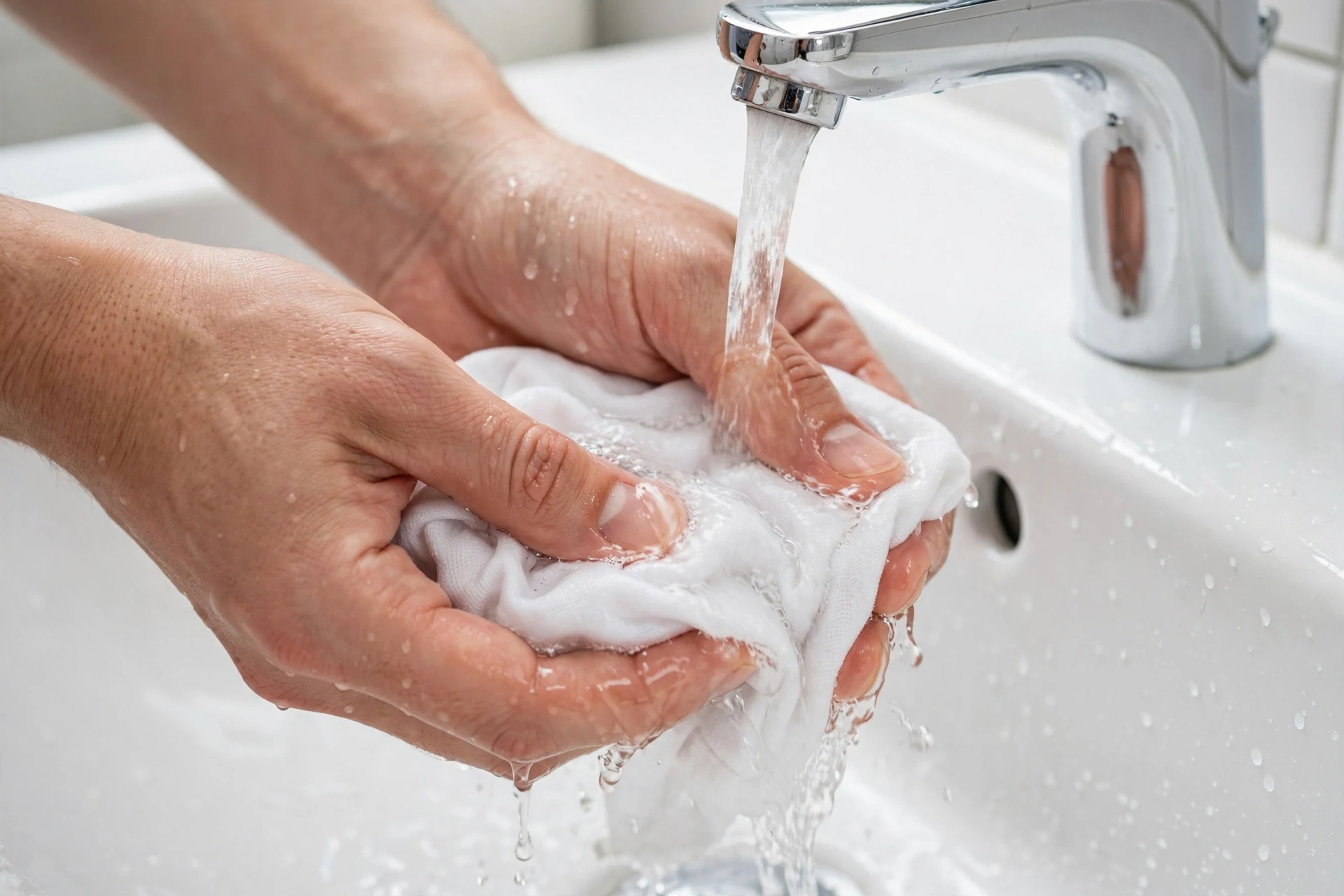
The first and last rule. Rinse, soak, and wash in cold water. Warm or hot water at any stage can set the stain for good.
- Speed beats product.
A fresh stain rinsed within minutes is easier than a day-old stain treated with the best chemicals on the shelf. When you can’t treat immediately, keep the stain damp and cold until you can.
- Blot, never rub.
Rubbing grinds blood deeper into fibers and damages the weave. Press and lift with a clean cloth; let the chemistry do the work.
- Match the method to age and fabric.
Fresh stains need lifting (water + soap). Dried stains need protein-breaking (peroxide, enzymes, long soaks). Delicate fabrics need the gentle route. The guides below make the call for each surface.
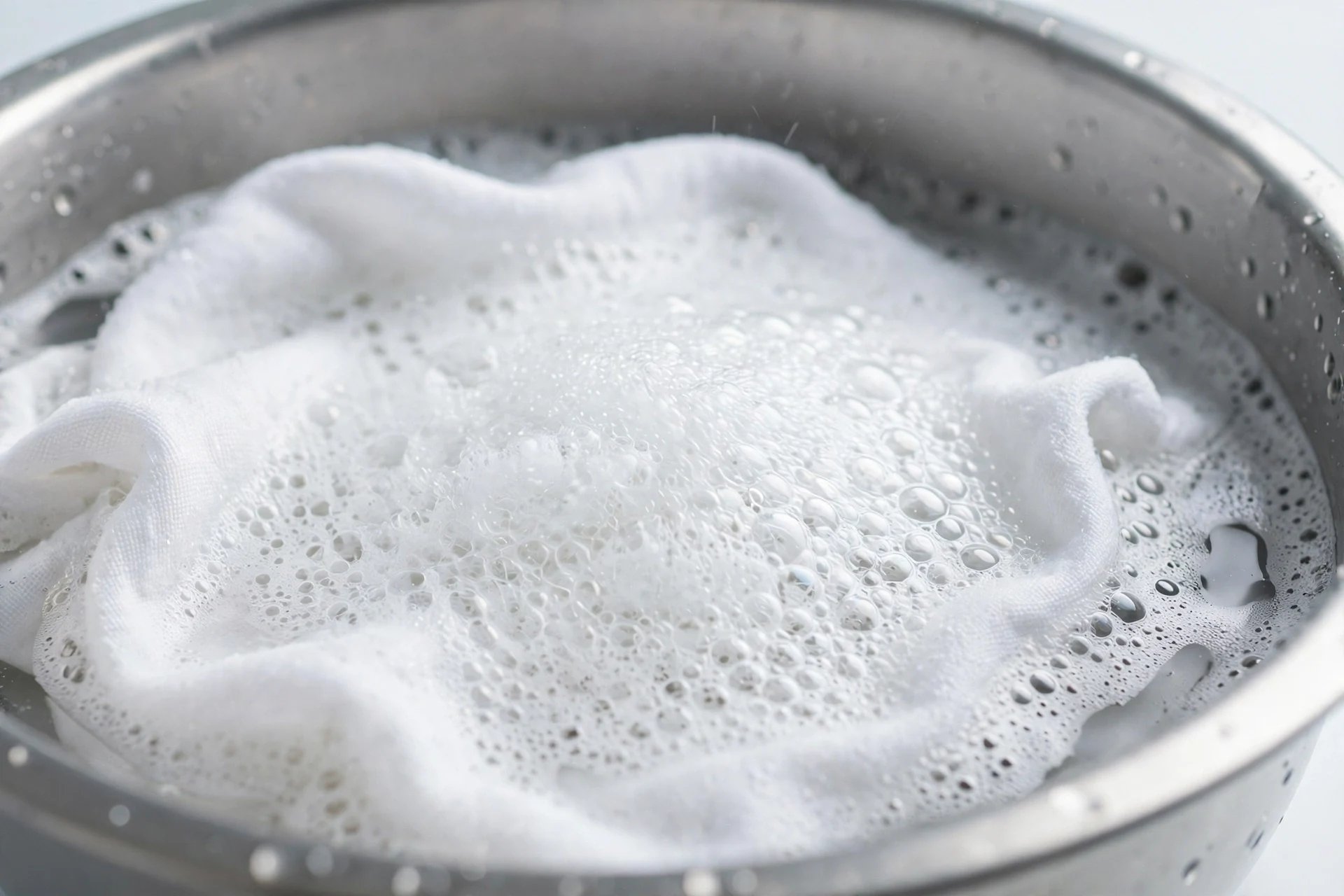
Every surface, covered in depth
Pick the surface you’re dealing with. Each guide below is a complete, standalone method — written for its surface, with its own pitfalls and fixes.
Blood out of clothes
The master clothing guide: seven methods ranked honestly by stain age and fabric type, fresh vs. dried step-by-steps, the wool/silk enzyme trap, and the dryer-rescue protocol for heat-set stains. Start here for anything that goes in the washing machine.
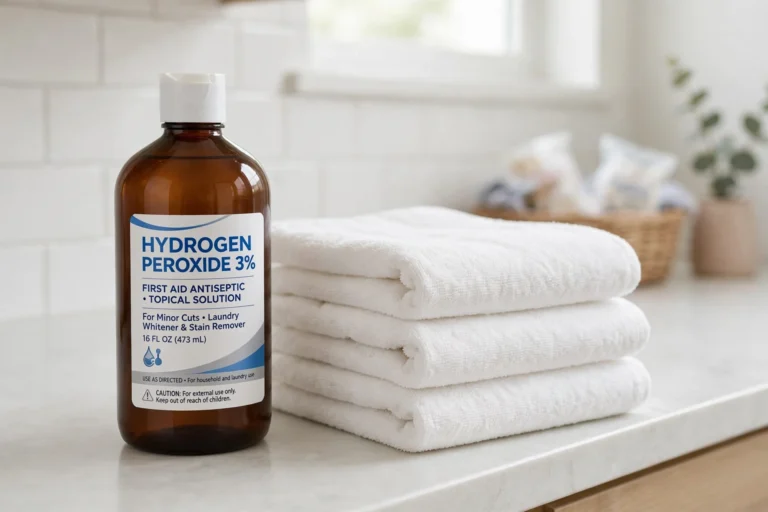
Hydrogen peroxide method
Does the brown bottle actually work? Yes — when you use 3% correctly. The chemistry behind the fizz, the exact timing, the myths (stronger isn’t better), and the fabrics to keep it away from.
Blood out of carpet
Carpet is the trickiest common surface because the stain can reach the padding underneath. Cold blotting technique, peroxide vs. enzyme cleaner for carpet fibers, and how to tell when the pad — not the carpet — is the problem.
Blood out of a mattress
You can’t put a mattress in the wash, so the method changes: salt paste, controlled peroxide application that won’t soak the interior, and how to dry it fully so you don’t trade a stain for mildew.
Blood out of sheets
Sheets take the overnight-discovery stains — usually dried by morning. The cold-salt-soak-first protocol, whites vs. colors, and why sheets deserve their own guide instead of the generic clothes method.
Blood out of a couch
Upholstery sits between clothes and carpet: removable covers go one route, fixed upholstery another. Includes the dry-cleaner-style peroxide-then-enzyme sequence and what to do about foam cushions underneath.
Dried and old blood stains
The rehydration-first protocol most guides skip, peroxide rounds for set-in stains, and the honest odds: what “old” really means for removability, and when to stop before damaging the fabric.
Period blood stains
Same chemistry, one practical difference: period stains are usually discovered dry. Cold-water-first discipline, overnight-leak techniques for sheets and mattresses, and why speed matters more here than anywhere.
Blood out of concrete
Porous, unforgiving, and immune to laundry methods. Poultice technique, TSP and peroxide options for garage floors and driveways, and realistic expectations for old stains in concrete.
All methods compared, head to head
The flagship: peroxide vs. enzymatic cleaner vs. ammonia vs. salt vs. dish soap, ranked by stain age and fabric type in one comparison table. If you only read one page about which method to choose, make it this one.
When a stain is more than a stain
Everything above assumes the blood is yours — a nosebleed, a cut, a normal household mishap. Someone else’s blood changes the equation. Hepatitis B can survive in dried blood on surfaces for at least 7 days (CDC), which means dried does not mean safe. Put on disposable gloves before handling anything, and if the spill is large, from an unknown source, or soaked into materials you can’t fully clean, read our blood cleanup safety guide before deciding whether it’s a laundry problem or a job for professionals.
Our biohazard basics guides cover bloodborne pathogens, disinfectants, and what counts as biohazard waste — the safety layer behind the stain-removal layer.
Common questions about blood stain removal
What removes blood stains the best?
It depends on the stain’s age and the fabric — there is no single best method, which is why our head-to-head comparison ranks every approach. The short version: cold water + dish soap for fresh stains; 3% hydrogen peroxide or an enzymatic cleaner for dried ones.
Does hot water set blood stains permanently?
Yes. Blood is a protein stain, and heat denatures protein — the same reaction as an egg white hitting a hot pan. Hot water or a hot dryer bonds the stain to fibers, often permanently. Every rinse, soak, and wash should be cold until the stain is completely gone.
Can dried, brown blood stains still come out?
Usually, yes. Brown just means the hemoglobin oxidized — it’s a clue about age, not a verdict. Rehydrate the stain with cold water and dish soap first (the step most guides skip), then treat with hydrogen peroxide or an enzymatic cleaner. See our dried blood stain guide for the full protocol.
Is dried blood dangerous to handle?
Treat it with the same precautions as fresh blood. Bloodborne pathogens like hepatitis B can survive in dried blood for days. Wear disposable gloves when the blood isn’t yours, and read our blood safety guide for the full picture.
Will hydrogen peroxide bleach my clothes?
3% hydrogen peroxide is safe on whites and most colorfast fabrics, but it can fade unstable dyes — always spot-test colored garments in a hidden area first. Never use chlorine bleach on colors; it strips dye outright. Our peroxide guide covers concentrations and timing.
When should I call a professional instead of cleaning it myself?
When blood has soaked into subflooring, wall cavities, or large porous areas; when it’s someone else’s blood in volume; or when there’s any decomposition or crime-scene context. Surface stains are DIY territory — structural contamination is not. Our safety guide draws the line clearly.
Sources
- CDC — bloodborne pathogen transmission and survival guidance (hepatitis B survival on surfaces; universal precautions). cdc.gov
- OSHA Bloodborne Pathogens Standard, 29 CFR 1910.1030 — exposure control and decontamination requirements.
- National Capital Poison Center — hydrogen peroxide safety information. poison.org
Stain-removal chemistry (protein denaturation by heat, peroxide oxidation, protease enzyme action) is standard textile-science knowledge. Surface-specific techniques are detailed in the linked spoke guides above.
Dealing with blood somewhere surfaces can’t fix?
Stains are one thing; contamination is another. If blood has soaked through to subflooring, walls, or large areas — or you’re unsure whether it’s safe to handle — read what professional blood cleanup actually involves before you decide your next step.