Landlord & Estate Cleanup: Who Pays, What’s Legal, What’s Covered
Landlord & Estate Cleanup: Who Pays, What’s Legal, What’s Covered
Your tenant’s mother calls: he hasn’t been seen in two weeks. Or you’re staring at a unit trashed by an eviction. Three questions hit at once — who handles it, who pays, and what’s legal. This hub organizes the answers.
- Family members are generally not personally liable for a deceased tenant’s cleanup or rent — the estate is, unless someone co-signed the lease.
- The landlord’s job is to secure the unit and preserve belongings, not to clean house on day one.
- Disposing of a deceased tenant’s property too quickly can break state abandonment laws and destroy evidence — the “clean it tomorrow” instinct is the trap.
- Document everything before touching anything: photos, dates, and receipts are what make insurance claims work.
These situations arrive without warning and with the clock running — other tenants asking questions, a unit sitting vacant, a family in grief being asked about rent. The guides below separate into three threads: the landlord’s legal duties, the family’s practical checklist, and the insurance layer that often pays for the expensive part. Read the matrix first; it answers most of the panic in one table.

The responsibility matrix: who does what, who pays
This is the question behind nearly every search in this cluster. Four parties, four jobs:
| Landlord | Family | Estate / executor | Insurer | |
|---|---|---|---|---|
| Who secures the unit? | Yes — must protect the property and other tenants | No duty | Coordinates with landlord | — |
| Who pays for biohazard cleanup? | Often recovers via building insurance, then may claim against the estate | Generally not obligated | Liable for the costs | Building, homeowner’s, or victim-compensation coverage frequently pays |
| Who handles belongings? | Must preserve them per state abandonment timelines | May claim through the executor | Decides disposition | — |
| Who pays rent after death? | Can claim against the estate until relet | Not personally liable | Owes rent until lease ends or unit is relet | — |
General information, not legal advice. Timelines and duties vary by state — a few states are named as examples in the guides below, but check your state’s landlord-tenant statute or consult a local attorney before acting.
The first-48-hours rule: don’t rush the cleanout
The most damaging mistake in this cluster isn’t hiring the wrong company — it’s moving too fast. A landlord who starts hauling belongings to the dumpster the day after a tenant’s death can violate state abandonment laws (some states require 60 days’ notice and documented storage; others as few as 18 with posted notice), interfere with a coroner’s investigation, and destroy items the estate had a right to. One documented case has an attorney telling a landlord, flatly: stop, don’t dispose of anything, preserve the property.
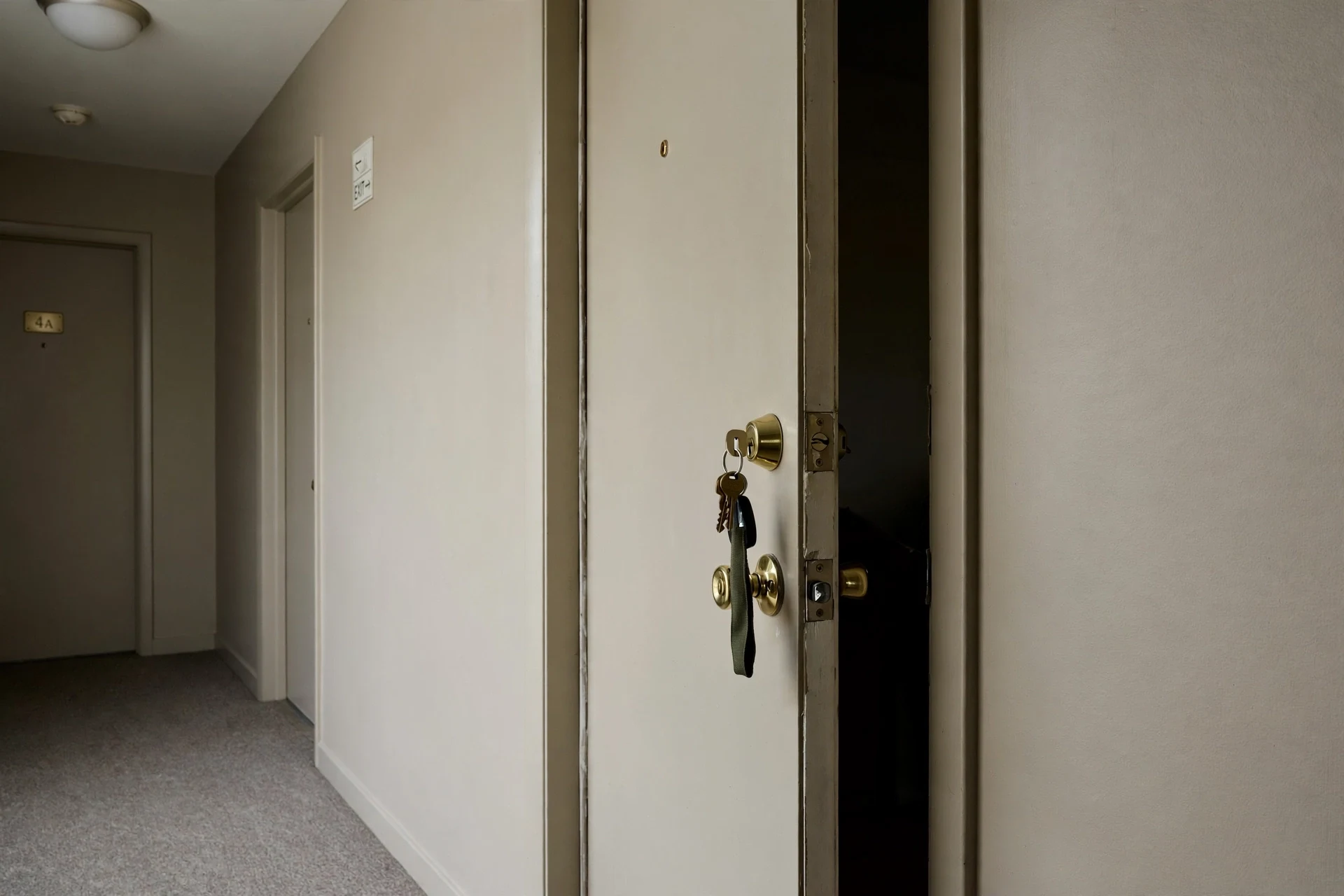
The correct first 48 hours: secure the unit, change nothing, photograph everything, notify the right parties (emergency contacts, and in unattended-death cases the authorities have already been involved), and get legal guidance before a single bag leaves the apartment. Our tenant-died guide gives the full sequence.
The insurance layer most people miss
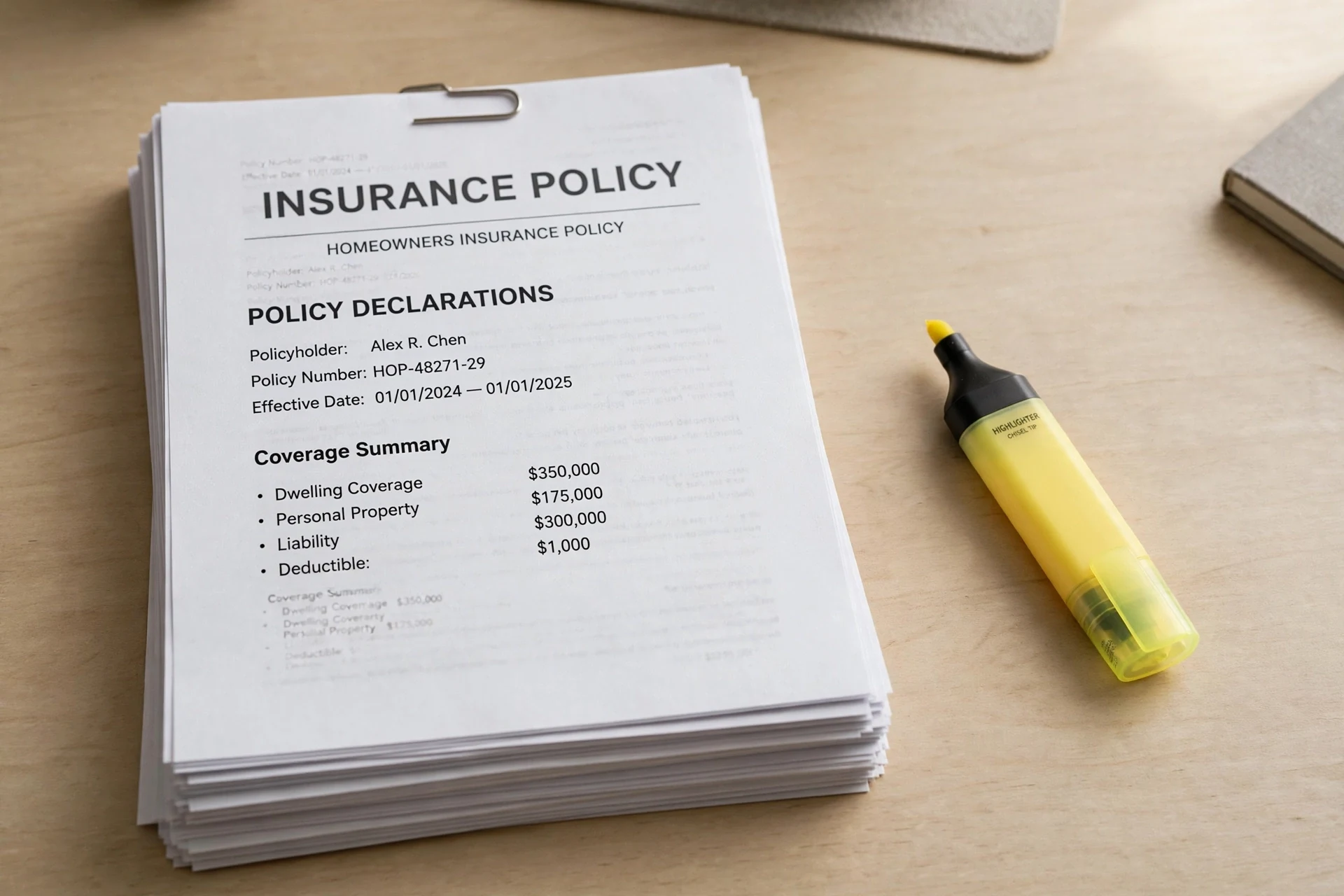
Biohazard cleanup is expensive — professional jobs routinely run into the thousands — and most people assume someone just has to absorb it. Often they don’t. Three coverage sources show up again and again:
- The landlord’s building policy.
Commercial landlord policies frequently cover biohazard remediation after a tenant death, minus the deductible. File before you pay out of pocket.
- Homeowner’s or renter’s insurance.
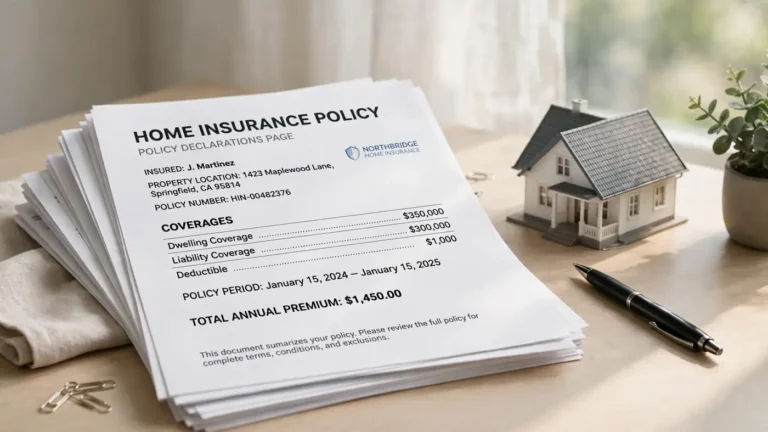
Standard homeowner’s policies sometimes cover biohazard cleanup from a covered peril — but almost always exclude sewage backup unless you bought the water-backup endorsement, which itself often caps at a $5,000 sublimit. Read the declarations page, not the marketing brochure.
- Victim compensation programs.
Nearly every state runs one; they can reimburse crime-scene cleanup costs for qualifying victims and families. Caps and eligibility vary by state.
The through-line: document before you clean. Photos, dates, itemized receipts, and the professional company’s report are what turn a denied claim into a paid one. Our insurance guides below walk through each coverage type with claim checklists.
The guides, in depth
Landlord duties, family checklists, and insurance coverage — each guide below takes one thread all the way down.
Tenant died in the apartment
The landlord’s step-by-step: first calls, securing the unit, the 48-hour don’ts, handling belongings within state timelines, and recovering costs from the estate.
Eviction cleanout
Notice-to-cure vs. abandonment, what you can and can’t throw away, documenting the unit for deposit disputes, and when a hoarding situation changes the legal picture.
Cleaning out a deceased person’s house
The family checklist: executor duties in order, where valuables hide, donation vs. disposal decisions, and how to handle the emotional weight without stalling the legal one.
Does homeowners insurance cover biohazard cleanup?
Standard-policy exclusions, the covered perils that do trigger payment, the claim-documentation checklist, and what to do when the adjuster says no.
Does homeowners insurance cover sewage backup?
The $5,000 sublimit trap, water-backup endorsement vs. flood insurance vs. service-line coverage, and real claim math for a finished basement. Also linked from our sewage hub.
Does insurance cover crime scene cleanup?
The site’s insurance cornerstone: victim compensation programs state by state, what homeowner’s and renter’s policies typically cover, and how to file the claim.
Common questions on landlord, estate, and insurance cleanup
Who pays for biohazard cleanup — the landlord or the family?
Generally the estate bears the cost, and the landlord often recovers through their building insurance first, then claims against the estate for the deductible. Family members are not personally liable unless they co-signed the lease or a service contract. See the responsibility matrix above for the full breakdown.
Does homeowners insurance cover biohazard cleanup?
Sometimes — it depends on the covered peril that caused the biohazard. Standard policies cover many sudden events but exclude others; sewage backup, for example, needs a separate endorsement. Our biohazard insurance guide walks through exclusions and the claims process.
Does homeowners insurance cover sewage backup?
Not by default. You need a water-backup endorsement, and most default to a $5,000 sublimit — a fraction of a finished-basement job. Check whether your endorsement covers the pipe itself (usually it doesn’t; that needs service-line coverage) and whether flood insurance is a separate question entirely.
Can a landlord throw away a deceased tenant’s belongings?
Not immediately, and not casually. States set abandonment timelines and notice requirements — examples range from 60 days with documented storage to shorter periods with posted notice — and getting it wrong creates liability. Preserve everything, photograph everything, and get legal guidance before disposing of a single item.
Does the lease end when a tenant dies?
The lease doesn’t vanish; the obligation passes to the estate, which owes rent until the lease is properly terminated or the unit is relet. What “properly terminated” means — notice periods, early-termination clauses — is state law plus the lease terms.
What should a landlord NOT do in the first 48 hours?
Don’t clean out the unit, don’t dispose of belongings, don’t let the family pressure you into rushing, and don’t sign remediation contracts before documenting the scene. Secure the unit, photograph it, notify the right parties, and get advice — in that order.
Sources
- State landlord-tenant statutes (abandonment timelines and notice requirements vary — examples discussed include Florida, Michigan, and California disclosure rules). Verify your state’s current statute; this is general information, not legal advice.
- Insurance Information Institute — homeowners coverage basics and endorsement structures. iii.org
- State victim-compensation programs — eligibility and caps vary by state; check your state’s program directly.
Landlord-tenant law is state-specific and changes. Treat every legal statement on this page as a starting point for checking your state’s rules or consulting a local attorney — never as a substitute.
Dealing with a unit that needs professional remediation?
If the situation involves biohazards — decomposition, blood in volume, sewage, or contamination you can’t fully assess — understand what professional cleanup involves and what drives the cost before you sign anything.