If you are trying to find help after a distressing event, the terminology can feel needlessly complicated. Companies may use different names for closely related services. The practical difference is usually the situation that caused the contamination—not a completely different kind of cleanup.
The terms, in plain English
These phrases are often used interchangeably, but each one emphasizes a different part of the job.
01Biohazard cleanup
The broad category. It refers to professional remediation when blood, bodily fluids, biological material, sharps, or other potentially infectious material may be present. It can apply in homes, vehicles, businesses, and public spaces.
02Crime scene cleanup
A familiar public-facing term for cleanup connected with a crime or law-enforcement response. It can include blood and biological contamination after an assault or homicide. Cleanup begins only after authorities have released the scene.
03Trauma cleanup
A more circumstance-neutral term for cleanup after a traumatic event. It may describe accidents, injuries, suicides, unattended deaths, or violent incidents. Families sometimes prefer this wording because it centers the event rather than a criminal label.
Biohazard cleanup names the type of hazard. Crime scene cleanup and trauma cleanup name the circumstances around it.
Which term should you search for?
Use the phrase that most closely describes what happened. A qualified remediation team should understand the situation and guide you to the right service, even if you do not know the industry term.
- Start broadSearch “biohazard cleanup” if you know biological material is present but are unsure which service category fits.
- Name the eventSearch “crime scene cleanup,” “unattended death cleanup,” or “blood cleanup” when the circumstances are clear.
- Add your locationInclude “Des Moines” or your suburb to find a team that serves your area and can discuss response timing.
You do not need to diagnose the contamination yourself. When you call, explain what you can see, where it happened, whether law enforcement or another authority has released the property, and whether anyone may still be at immediate risk.
When each term applies
Use this for a broad range of biological contamination: blood, bodily fluids, sharps, or other potentially infectious material.
Common fit: homes, rentals, workplaces, vehicles, and public areas where the exact event type is less important than the hazard.Use this when contamination remains after a criminal incident or investigation.
Common fit: assaults, homicides, or other incidents involving a law-enforcement scene that has been formally released.Use this when a traumatic incident has left blood or biological contamination, whether or not a crime occurred.
Common fit: serious accidents, injuries, suicide, or other distressing events requiring discreet remediation.There are also more specific service names. Blood cleanup describes the material present. Unattended death cleanup describes a situation in which time and decomposition may add complexity. Hoarding cleanup may involve biohazards, but it can also address clutter, sanitation, and property access.
The name changes. The core standards do not.
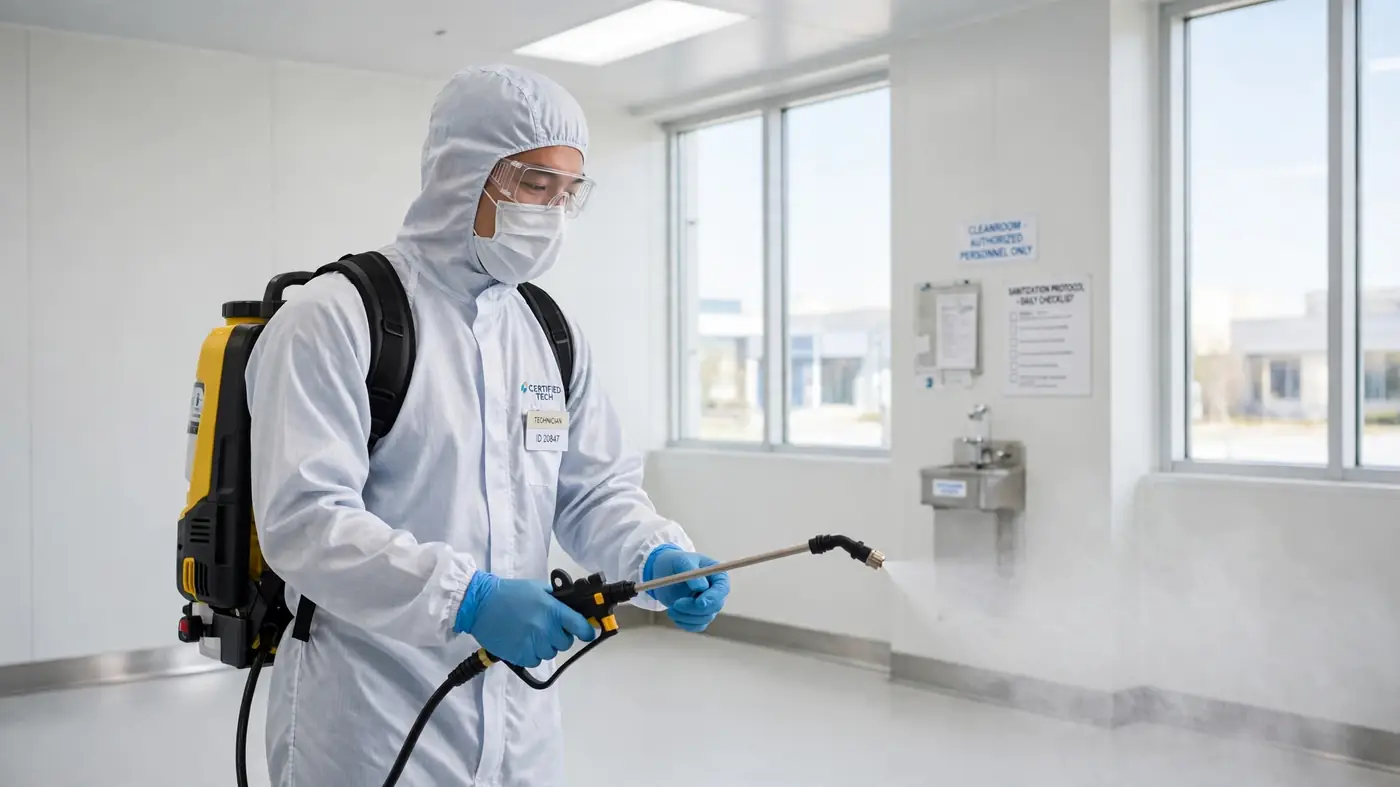
Whatever a company calls the service, the work should be driven by the hazards present. That means controlling the affected area, using appropriate protective equipment, removing contaminated materials when they cannot be restored, cleaning and disinfecting affected surfaces, and handling regulated waste correctly.
A professional team should also be able to explain the scope in plain language, provide a written estimate, document the work, and coordinate information needed for an insurance claim.
Tell us what happened. We’ll help you identify the next step.
You do not need the perfect terminology before you call. BioRecoveryUSA serves the Des Moines metro with discreet, professional biohazard remediation and clear written estimates.